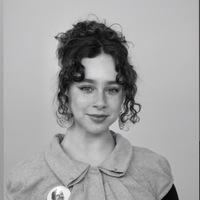
Lily Davies- BA (Hons) Fine Art
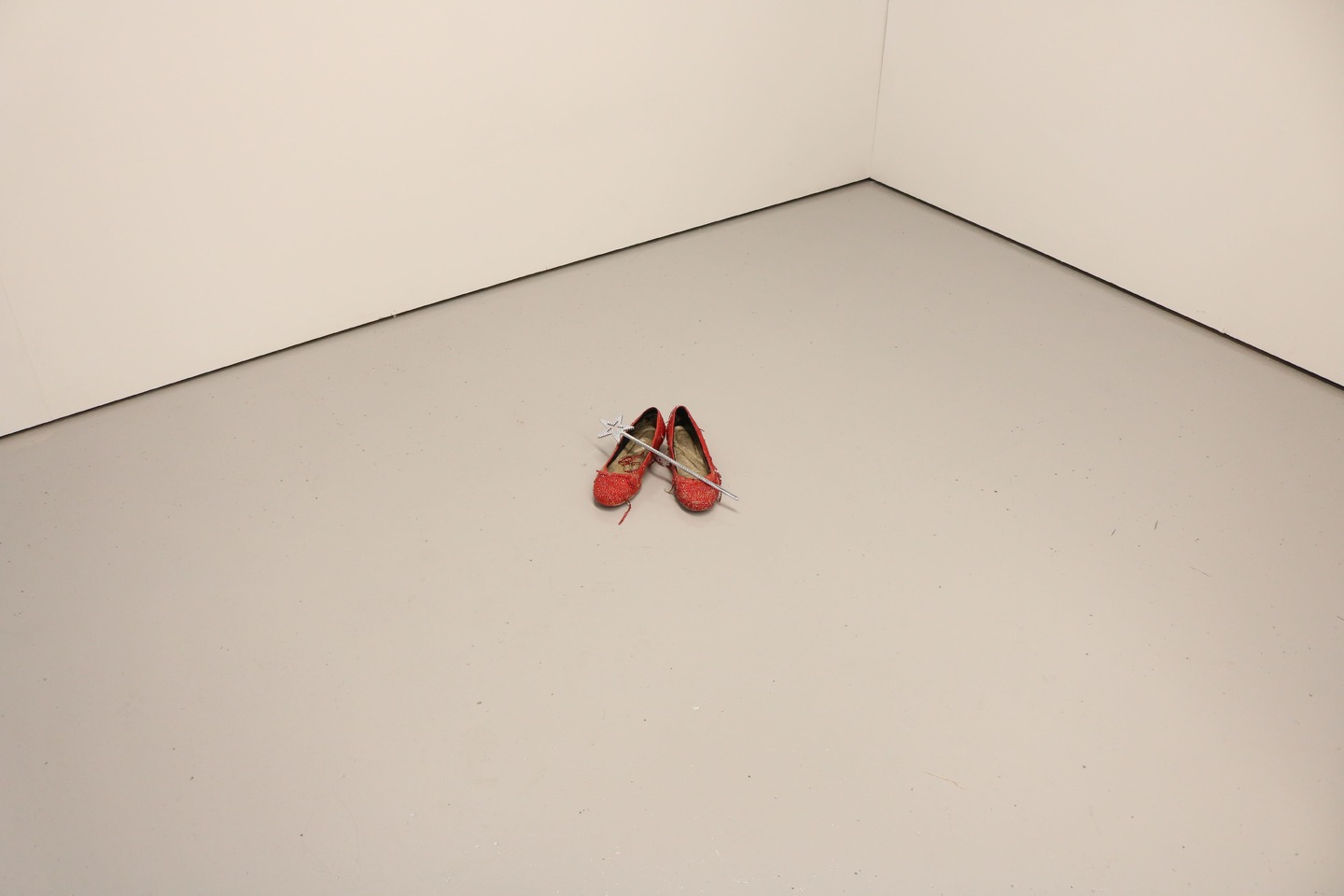
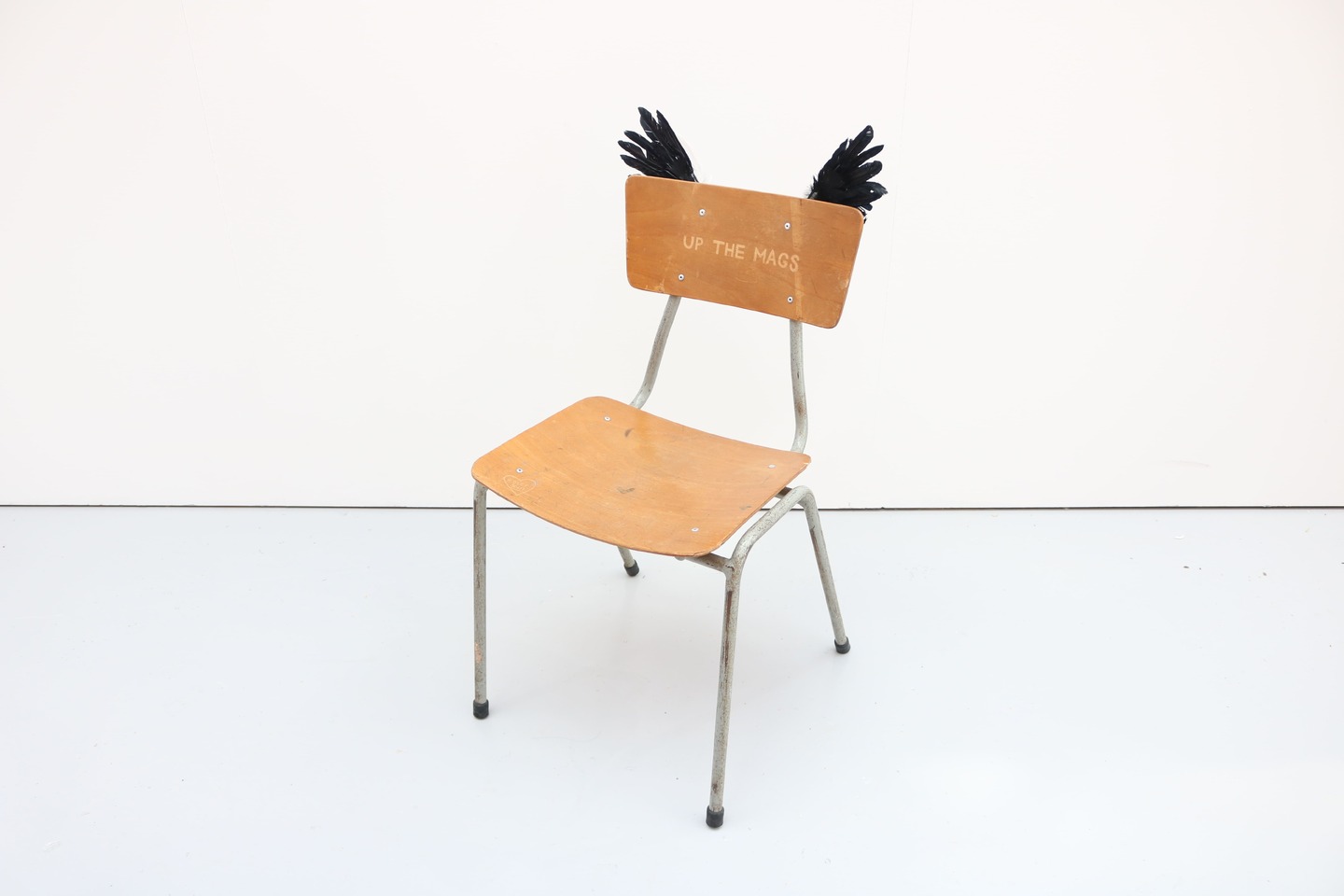
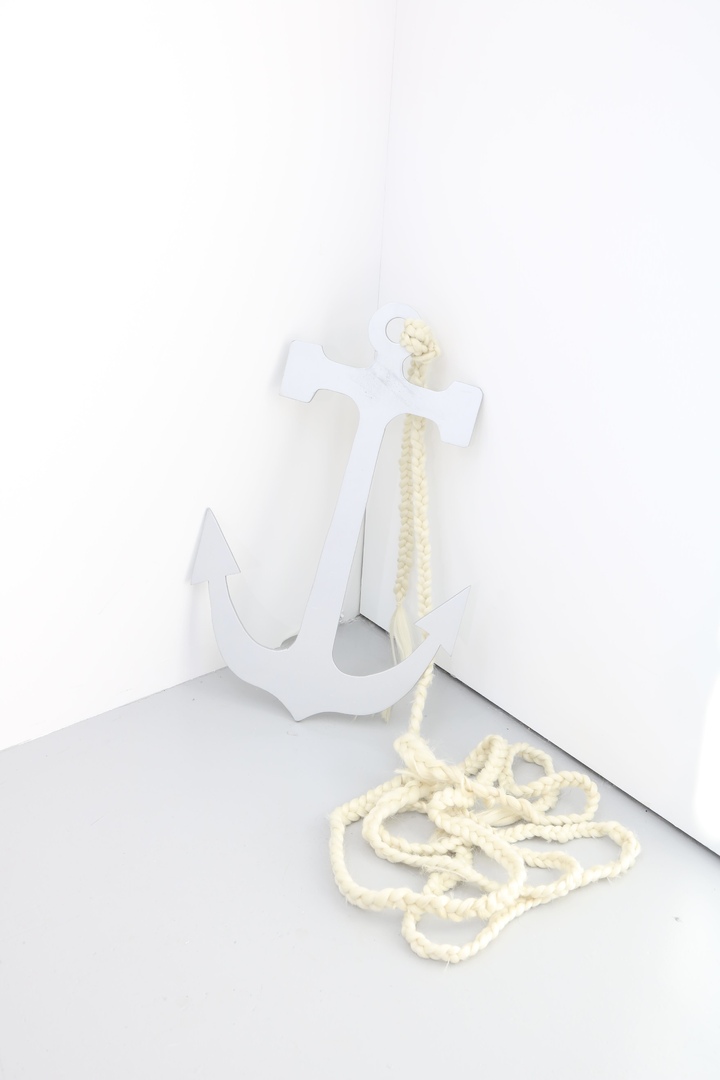
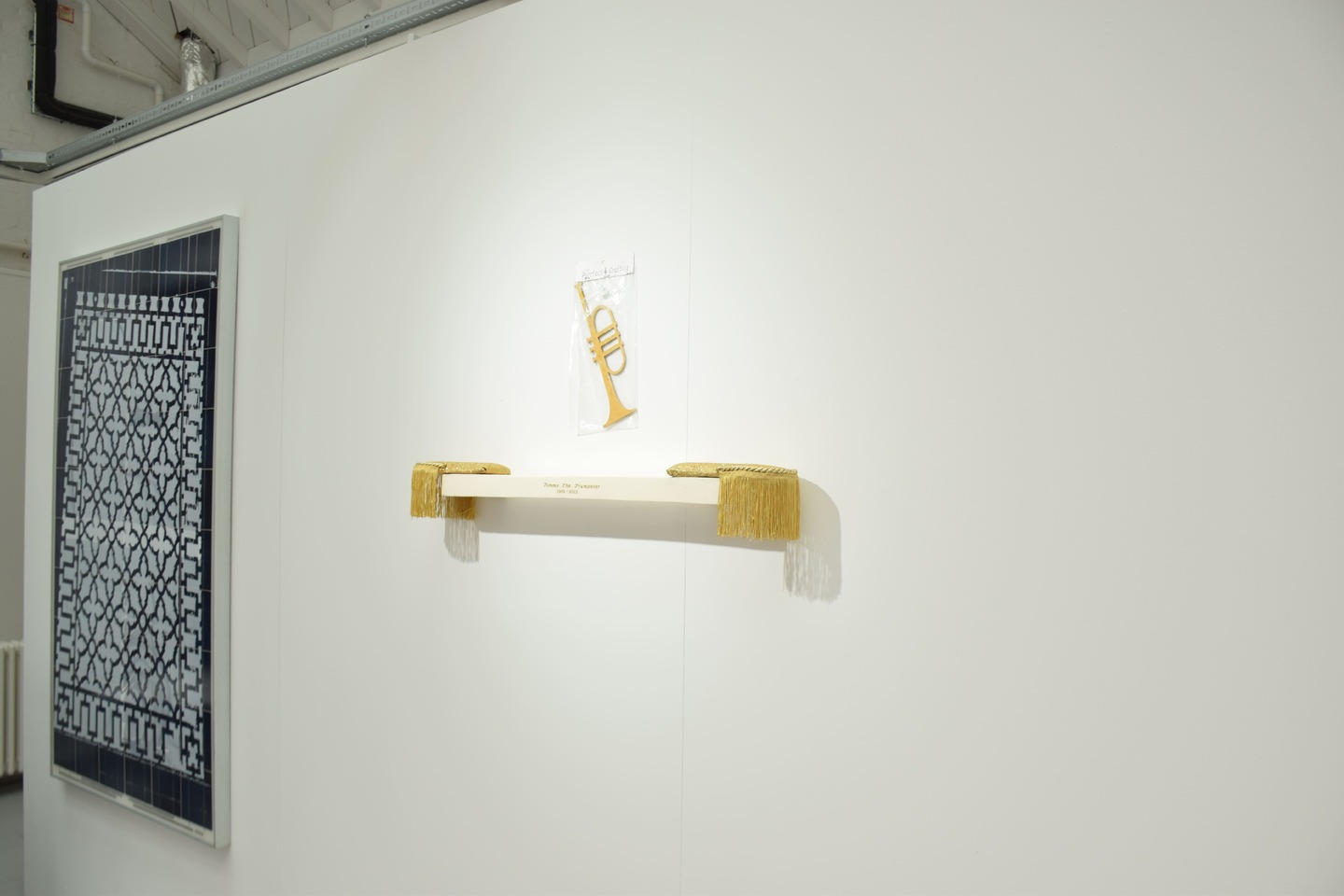
At the heart of Lily Robyn Davies’ practice is the contextual understanding around the surrealist landscape of a deindustrialised Britain intersected with a particular “Sanddancer” sense of humour, whilst recognising the role that class consciousness, industrial heritage and folklore all play within the social infrastructure of our own private mythology, especially in the Northeast. Built from found objects, personal archives and the crude handmade processes, her practice acts as an homage to childhood nostalgia growing up in South Shields, a seaside town at the Mouth of the River Tyne, combining hazy memories, dialect and a dreams to create absurd sculptures which juxtapose the fictional with the non-fictional, whilst acknowledging the inner-conflict of homesickness for a place which is slowly slipping away to far-right rhetoric and isolation. The Unicorn of Cleadon Hills was inspired by the defacing of a local folk tale turned forgotten landmark, depicting a chalk horse on the side of an old quarry, which acted as the balance between folklore and industrial heritage. The horse had been graffitied with the St George’s Cross, a recently co-opted symbol of nationalist hate; as a result, she uses this piece as a reclamation of folk and magic in the Northeast as a method of forward-thinking for a region so stuck in the past, separate to its deindustrialisation and lack of government support.